
Chennai, a city with a history that stretches over centuries, is defined by its intricate architectural narrative – a seamless fusion of the past and the present. The city’s architecture is a reflection of its vibrant cultural evolution, with each building telling a story of colonial influences, traditional South Indian elements, and a modern, progressive outlook. From majestic temples to modern skyscrapers, Chennai’s architecture brings together layers of design that echo its rich history while embracing the future.
Chennai architecture style: What makes it instantly recognizable?
Chennai’s architectural identity is not defined by one particular style but is instead an amalgamation of diverse visual signatures that reflect the city’s evolution. Here are some key features:
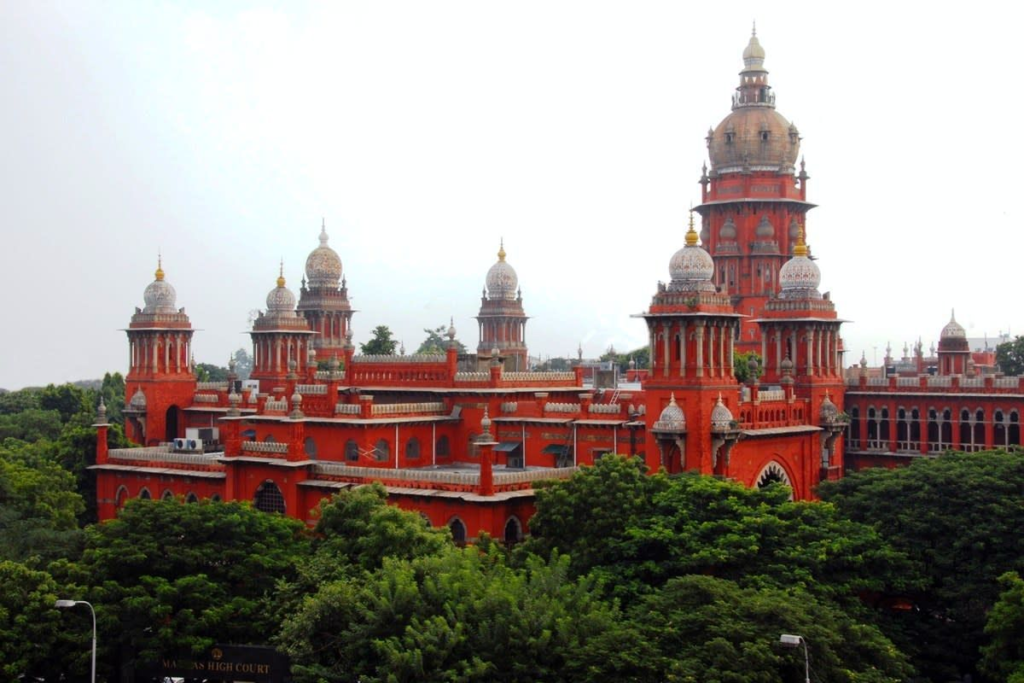
- Colonial grandeur: Chennai’s heritage buildings, especially from the British colonial era, showcase imposing facades, detailed cornices, and expansive windows that are iconic to the cityscape.
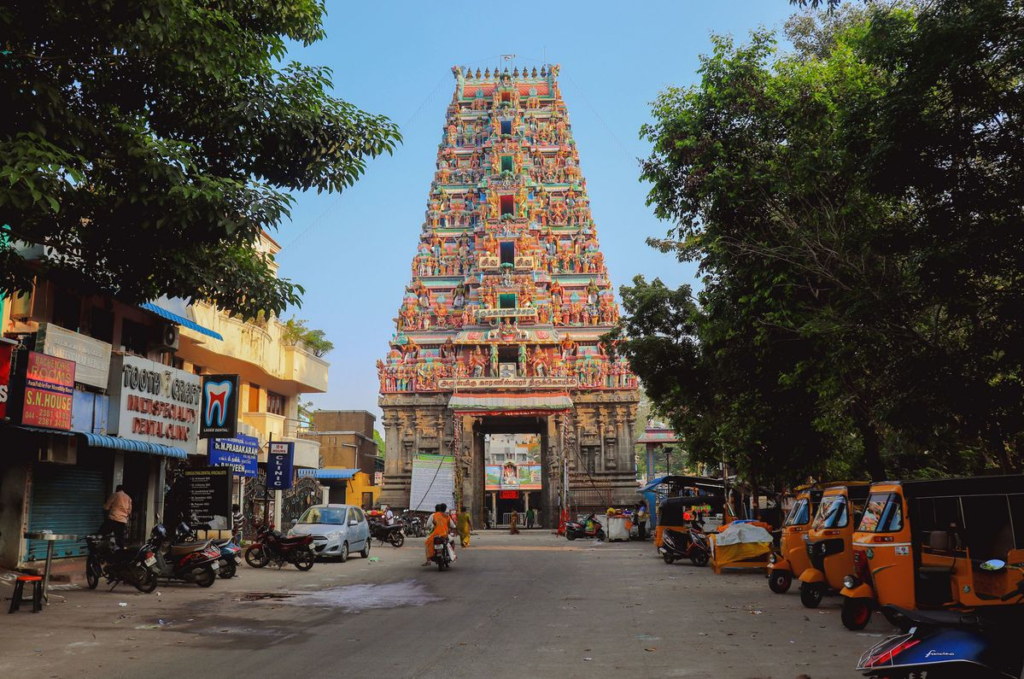
- Dravidian influences: Dominated by intricate carvings and towering gopurams, temples like the Kapaleeshwarar and Parthasarathy temples feature highly decorative structures that define the city’s spiritual architecture.
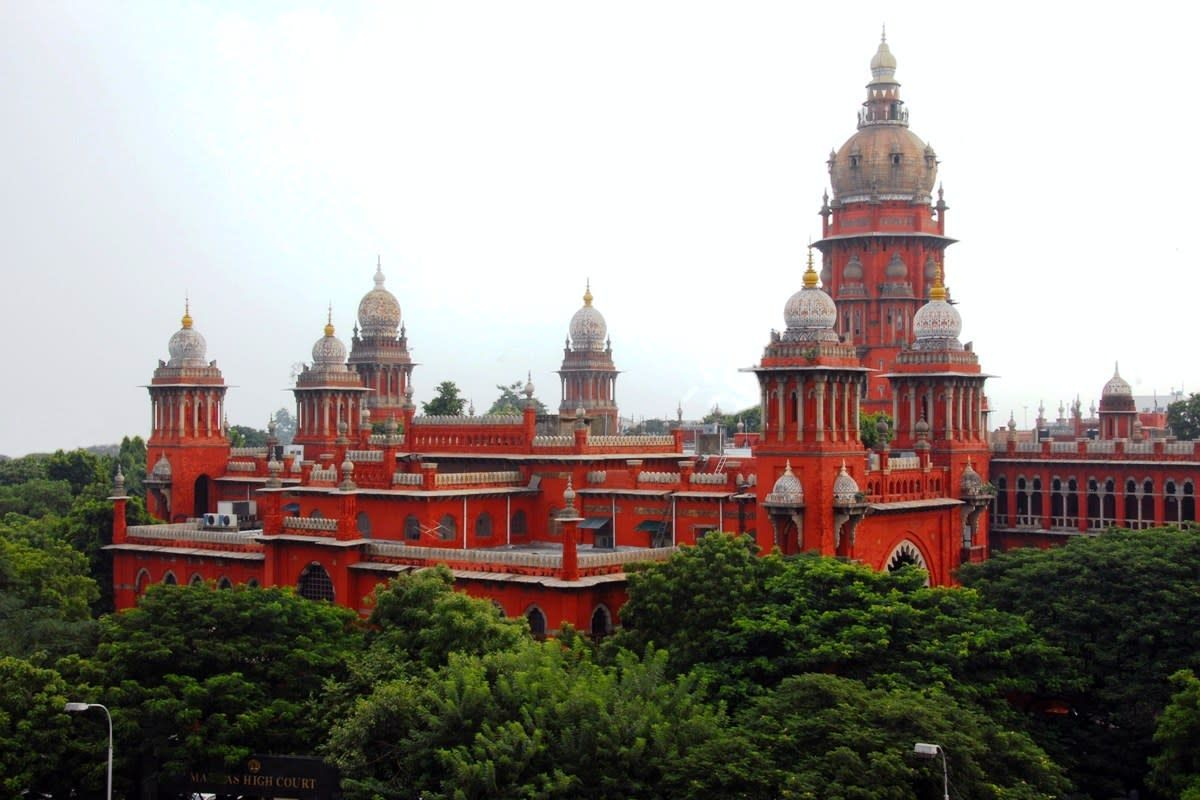
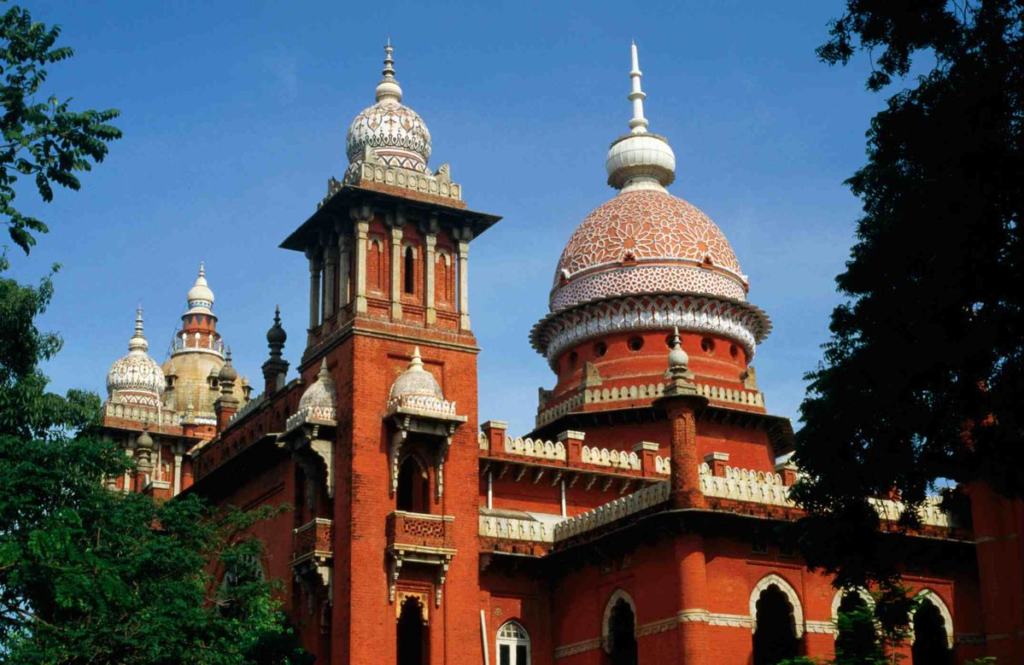
- Neoclassical and Indo-Saracenic designs: The blend of Victorian, Roman, and Indian elements seen in buildings like the Government Museum and the Madras High Court introduces a unique style that defines Chennai’s civic spaces.
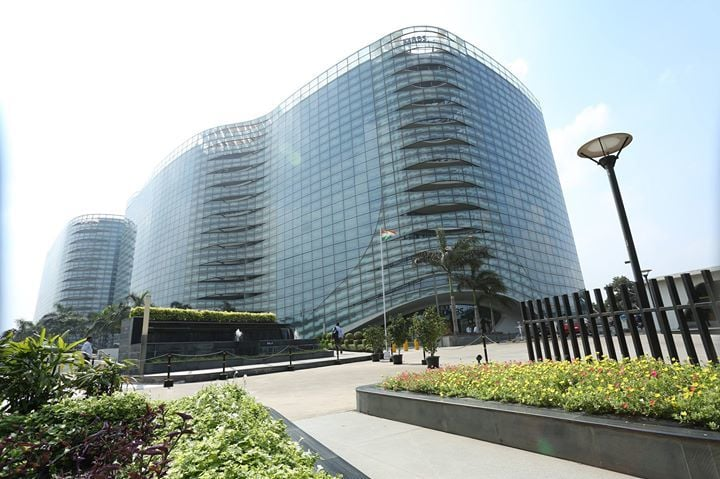
- Modern innovation: The city’s corporate buildings and tech parks blend glass, steel, and concrete, creating a striking contrast to the city’s older landmarks while reflecting the city’s rapid modernization.
This combination of ancient and contemporary design elements makes Chennai’s architecture an evolving masterpiece, where tradition and innovation coexist in harmony.
The French connection: Colonial influence on Chennai’s city plan
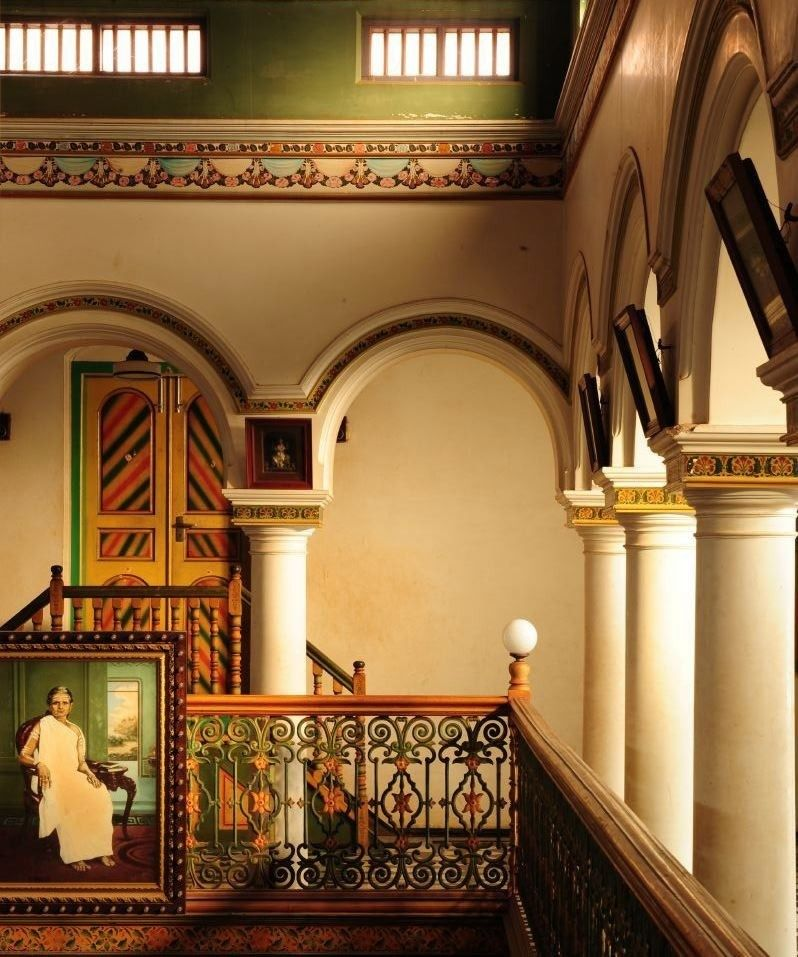
The French influence on Chennai’s architecture is evident in areas like the iconic White Town. The quaint streets here are a testament to colonial planning, with wide boulevards, mansions, and spaces designed to cater to a community with European sensibilities. The French Consulate and Vivekananda House remain as enduring symbols of this colonial footprint.
The Dravidian legacy: Temples as architectural marvels
Chennai’s temples are more than just places of worship—they are awe-inspiring feats of architecture. The Kapaleeshwarar Temple, with its towering gopuram and vivid sculptures, is a testament to the Dravidian style, where every detail is steeped in cultural symbolism. These structures, designed to inspire devotion and awe, are a vital part of the city’s identity, seamlessly blending religious fervor with architectural grandeur.
Chepauk Palace: An example of Indo-Saracenic architecture
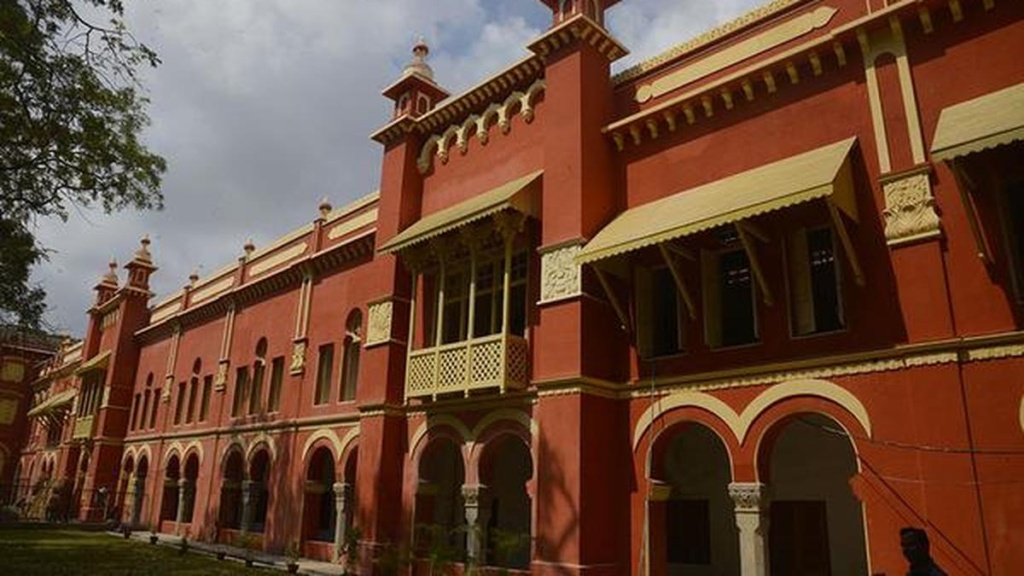
The Chepauk Palace, designed by the renowned architect Henry Irwin, exemplifies the Indo-Saracenic style that flourished during the British colonial period. With its beautiful arches, domed roofs, and symmetrical facades, the palace is a majestic symbol of Chennai’s regal history and the fusion of Western and Indian architectural influences.
The modern face of Chennai: Glass-and-steel skyline
In contrast to its heritage, Chennai has a rapidly growing skyline characterized by modern glass-and-steel buildings. The Express Towers and Dugar Towers are among the tallest buildings in the city, serving as symbols of Chennai’s transformation into a modern, global metropolis. These buildings showcase the city’s forward-looking approach while still respecting its historical roots.
Also Read – Hyderabad Architecture: A Walk Through the City’s Greatest Layers
Why Chennai’s architecture still matters today
Chennai’s architectural style is not just about preservation; it’s about continuity and adaptation. Here’s why its architecture remains relevant:
- Blend of tradition and modernity: Chennai’s skyline is constantly evolving, yet it retains elements from its rich architectural past, reflecting the city’s layered history.
- Climate-responsive design: Buildings across the city are designed with the local climate in mind—large windows, high ceilings, and wide verandas are common, helping to combat the city’s tropical heat.
- Public spaces that shape life: Chennai’s streets, from the bustling Mount Road to the serene Marina Beach, are designed as social spaces, influencing how people interact with the city and each other.
From its colonial roots to its modern skyscrapers, Chennai’s architecture is a testament to its adaptability. The city seamlessly integrates its historical influences with contemporary practices, proving that architecture is not just about buildings, but about the stories they tell and the communities they create.
Design Perspective is coming to Chennai!
📅 20th March 2026
📍 The Leela Palace, Chennai